Turbochargers: Boost Power, Save Fuel
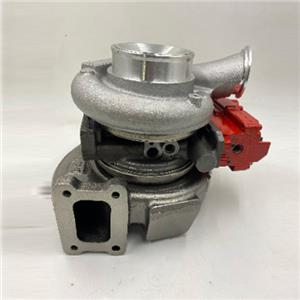
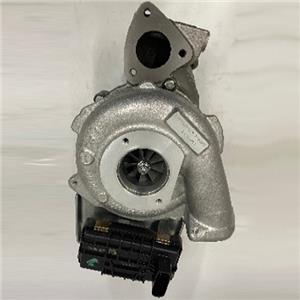
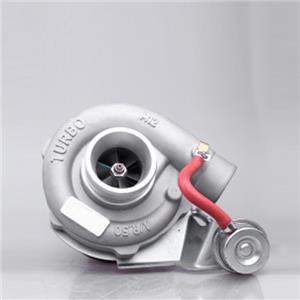
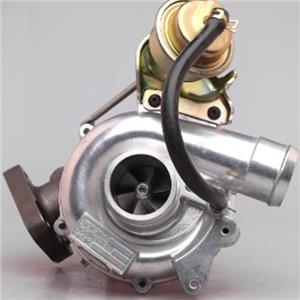
A turbocharger compresses intake air by driving its turbine with high-temperature exhaust gas discharged from the engine, enabling small-displacement engines to deliver high power comparable to larger-displacement naturally aspirated counterparts. As a core component of internal combustion engines for reducing fuel consumption and pollutant emissions, the turbocharger is widely used across numerous fields, including passenger vehicles,commercial trucks,construction machinery, and industrial generators,etc.
Better fuel economy and emission reduction are the key advantages of turbochargers. By raising intake air density, turbocharging technology supports more complete combustion of fuel-air mixtures, which helps reduce harmful exhaust pollutants such as carbon monoxide and particulate matter, thereby improving air quality.
Instead of drawing power from the engine crankshaft, turbocharging is powered by the kinetic and pressure energy of exhaust gas. This energy drives the turbine to rotate at high speed and delivers extra power output, drawing almost no direct power from the engine itself and thus creating fuel saving potential for internal combustion engines.